
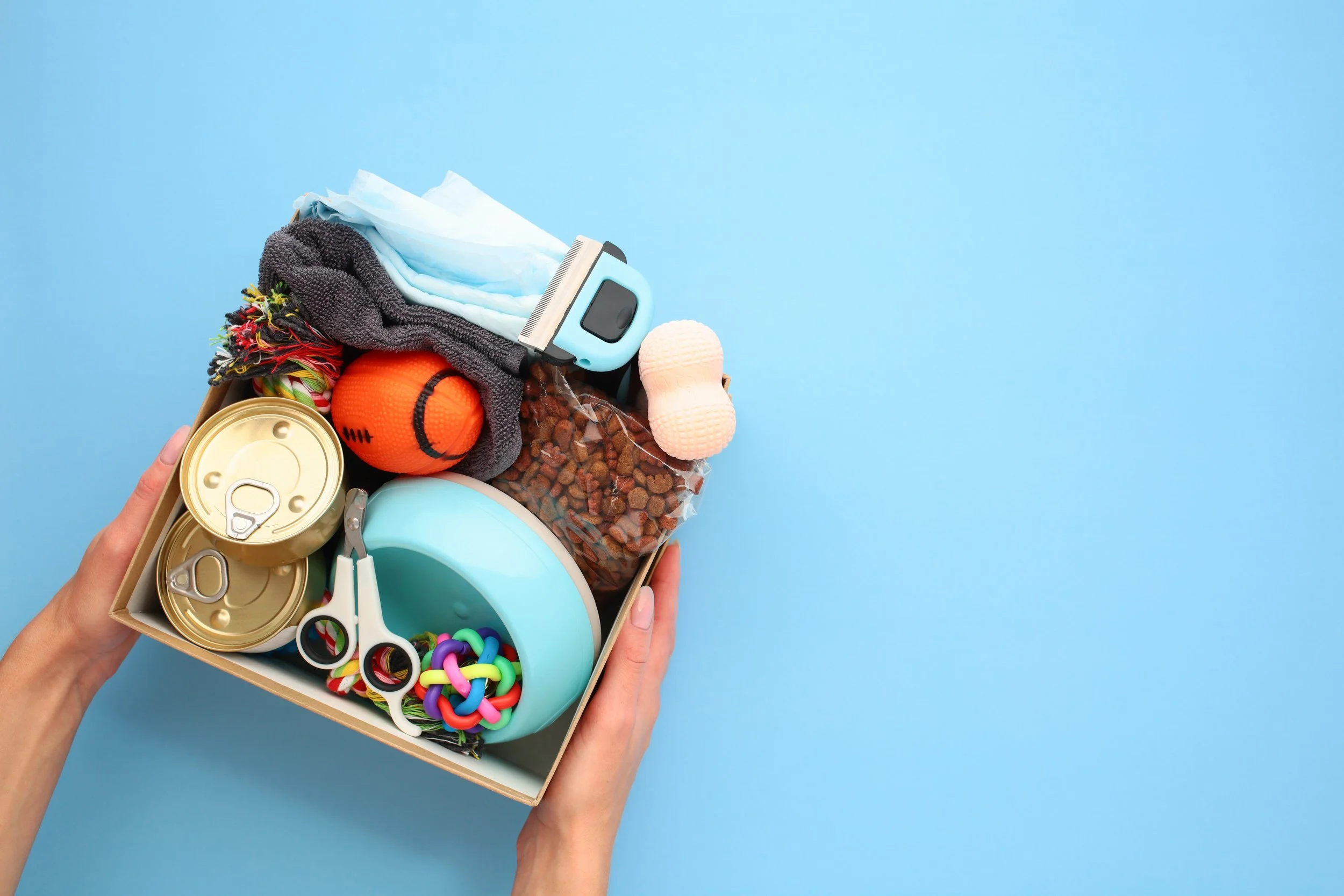
If you run an independent pet store, you already have something the big-box stores and giant online retailers would love to buy: you know your customers.
You know Whiskers is on the salmon formula, that Luna's mom always asks about new enrichment toys, and that the Millers come in every other Saturday for Carlo the bearded dragon’s bug supply.
You can't (and shouldn't) win a price war with the giants - but you can win on relationships: email is how you scale those relationships beyond the checkout counter.
The goal for a pet store's emails is a little different than an online-only brand's because you're not just trying to get clicks. You're trying to get people through the door, and to make your store the first place they think of when the bag runs low.
Here are email ideas to do exactly that, grouped into four jobs your emails can do for you.
Job #1: Bring people through the door
In-store event invites: Adoption days with a local rescue, nail trim clinics, treat tastings, puppy socials, pet photos with Santa. Events give people a reason to visit this weekend, and email is the easiest way to fill them. Send the invite 1-2 weeks out, then a quick "see you Saturday!" reminder the day before.
New arrivals and staff picks: "Here's what just landed on our shelves" is one of the most-loved emails a pet store can send. Make it personal with staff picks: a photo of your team member, their pet, and the product they swear by - that's something a giant retailer can't fake.
Small Business Saturday is your day. Send a "why shopping local matters" email the week before, tease anything special you're planning, and remind people the morning of. Bonus: team up with a nearby groomer or bakery or rescue and promote each other.
Seasonal displays and in-store moments: Halloween costumes, holiday stockings, spring harness fittings - a quick photo of your store's seasonal setup with "Come see it in person" works better than you'd think.
Job #2: Keep the regulars coming back
Food reorder reminders: This is the email that pays for itself! If you know someone bought a 30 lb bag, you know roughly when they'll run out. A friendly "Time to restock Max's food?" email a few days before keeps them from grabbing a bag somewhere else in a pinch - even a simple version ("It's been about a month since your last visit!") works.
Loyalty program updates: If you have a punch card or points program, email is how you make it feel exciting instead of forgotten. "You're 2 bags away from a free one!" is a powerful little nudge.
A pet birthday club: Collect pets' birthdays at signup or at the register, then send a birthday email with a little treat waiting in-store. They have to come in to pick it up, and they rarely leave with just the treat.
The "we miss you" email: If a regular hasn't been in for a couple of months, send a warm check-in. No guilt trip, just "We haven't seen you and Bucky in a while! Here's what's new."
Job #3: Be the neighborhood expert
Seasonal care tips: Winter paw care, summer heat safety, seasonal shedding, holiday foods to keep away from pets. Helpful emails keep people opening, so when you do have a sale or event, they're already paying attention.
"Ask our team" Q&A: Collect the questions you hear at the register ("grain-free or not?", "which chew lasts longest?") and answer one in each email. It's easy content, and it shows off the expertise that makes your store worth the trip.
Local partner spotlights: Feature a nearby groomer, trainer, or rescue. They'll often share it with their own audience, which puts your store in front of new local pet parents for free.
Job #4: Make buying easy
Online ordering and curbside pickup reminders: If you offer either, remind people regularly. Plenty of loyal customers forget it's an option on a busy week.
Gift cards for the holidays: Every pet lover has someone in their life who's impossible to shop for. A "the easiest gift for the pet person in your life" email in early December sells gift cards (and brings new customers in after the holidays when they're redeemed).
Where to start (without getting overwhelmed)
That's 13 ideas, and you don't need all of them this month - pick one and do it well.
For most independent pet stores, start with the food reorder reminder - it's the email most tied to revenue and wins on the one thing the big guys can't match: knowing your customer's dog by name. Once it's set up as an automated flow, it runs on its own. (Not sure what a flow is? Here's What’s the difference between email campaigns and email flows (automations)?)
Then, with the holidays coming up, add Small Business Saturday and a gift card email to your calendar.
And if you'd love someone to look at what you're already sending, my Email Audit + Strategic Roadmap shows you exactly what's working and what to fix first. I work only with pet businesses, so you'll never have to explain why your customers call their dog their baby.
Quick FAQ for you:
How do I collect emails at the register? Keep it simple: a QR code sign by the counter ("Join our list for birthday treats!"), a quick ask at checkout, or a signup tablet. Give people a reason, like a birthday treat or a first-visit perk, and always ask permission before adding anyone.
How often should a pet store send emails? Start with two or three a month: one newsletter with tips and new arrivals, plus an event invite or seasonal email. Add automated reminders (like food reorders) on top. Consistency matters more than volume.
Should every email have a coupon? No. Coupons in every email teach customers to wait for the next one. Mix in events, tips, and staff picks, and save offers for moments that matter, like Small Business Saturday or a loyalty reward.
Which email platform is best for a pet store? If you sell online through a store platform like Shopify, Klaviyo connects to your sales data for things like reorder reminders. If you're mostly in-store, a simpler platform like Flodesk makes beautiful newsletters easy.
