
From Dormant to Thriving: Inside Sweet Natured Pet's 90-Day Email Transformation

Meet Sweet Natured Pet
Sweet Natured Pet makes plant-based, natural, pet-safe flea and tick protection - led by their hero product, No Bugs!. The brand has a genuinely distinct voice ("It's not magic. It's just plants with a grudge against bugs.") and a founder story that gives the whole brand its heart: it started with Max, founder Jennifer Brown's own dog, after a scary health scare connected to harsh chemical flea treatments sent her looking for something better.
I met Jennifer at the Animal Rescue Expo in Rockford, Illinois in March of 2026. She entered my audit service giveaway and won! It was a great experience and I was able to see everything Sweet Natured Pet + Jennifer were doing with email. The brand had beautiful design, a strong product, and three automated flows already built, but what it didn't have was activation.
What we found…
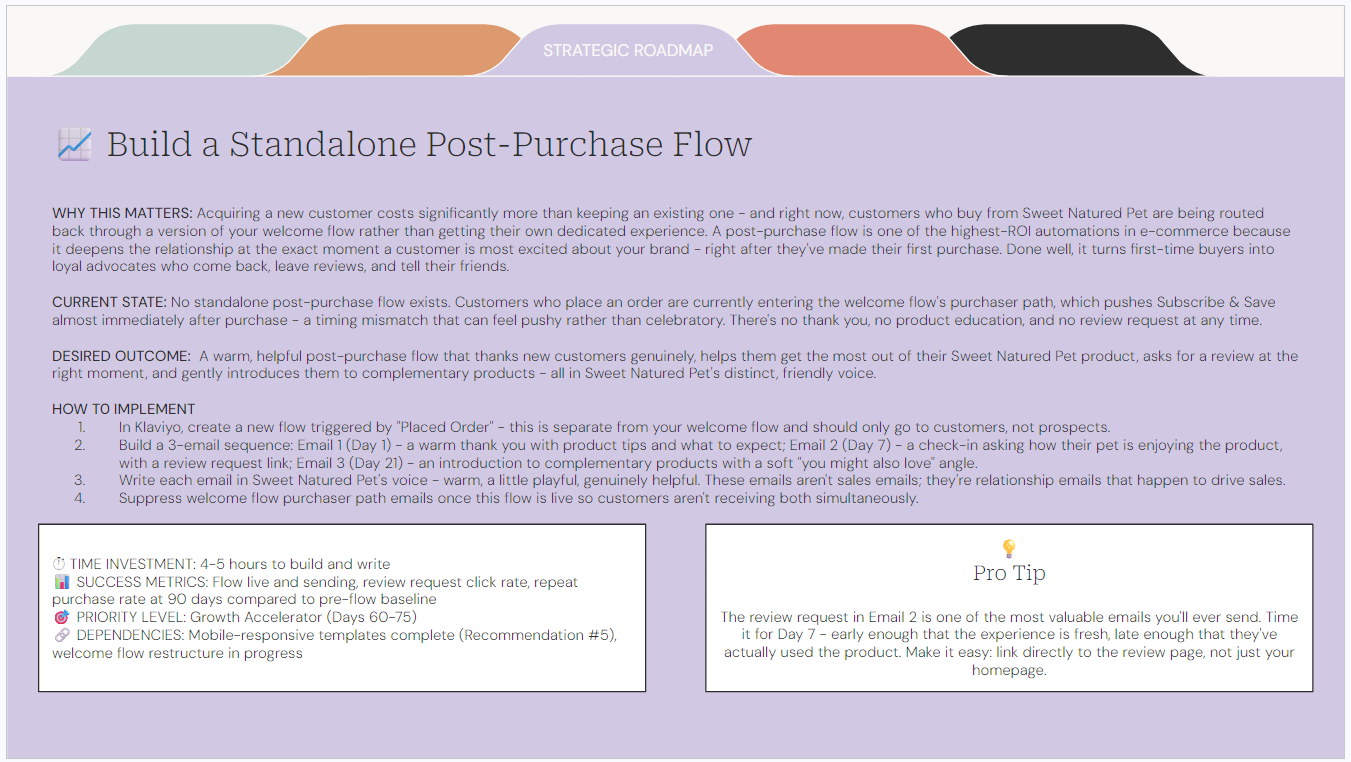
The April audit told a clear story: this wasn't a broken program, it was a dormant one.
31.7/100 overall email health score
20% bounce rate against an industry benchmark of under 2%
Zero campaigns sent in the full audit quarter
$0 in email-attributed revenue
5 new subscribers added over three months
But underneath those numbers were real strengths: a perfect 10/10 spam score, properly configured SPF and DKIM authentication, three existing automated flows with smart instincts already built in (like splitting purchasers from non-purchasers in the welcome flow), and a brand voice most companies spend years trying to find.
The opportunity wasn't to start over - it was to activate what was already there.
The Email Audit + Strategic Roadmap findings -
A thorough and strategic audit service shaped the whole project, and it showcased the kind of goals needed to obtain and separate a good email program from a great one.
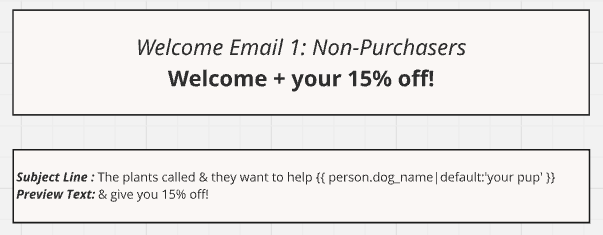
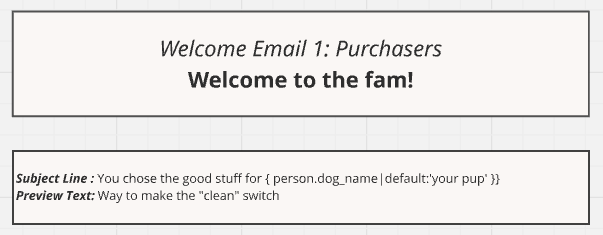
Splitting the welcome flow at Email 1, not after it. During the audit, I found the original flow logic missed: people can purchase before they ever subscribe to email. So instead of routing everyone through the same opening email and splitting later, I built two distinct Email 1 variants - one for non-purchasers (which delivers the welcome discount) and one for purchasers (which skips the discount entirely and leads with celebration instead). It meant restructuring the whole flow architecture, but it meant every single subscriber got the right first impression.
Removing the discount from checkout abandonment. The instinct in e-commerce is almost always to throw a bigger discount at the customers closest to converting, but those margins deserve some love! With checkout abandoners being the most motivated shoppers in the funnel, they don't need a coupon to come back - they need a frictionless path back. Discounting them trains future checkout abandoners to wait for a deal every time, which erodes margin over time. My solution was two short, confident emails that recover orders through clarity and warmth instead of price cuts.
Leading with Max's story, not a generic brand pitch. When I first wrote the purchaser welcome sequence, the brand story email was good, but general. I rewrote the email around Max specifically: the seizures, the warning label on the flea medication, the moment everything shifted because that’s the kind of detail that turns a “how does this help my dog” into a “wow, this could be my dog” moment.
Dropping "Welcome" as an opening word entirely. It's the most skipped subject line in any inbox. Instead, Email 1 leads with the brand's actual personality from word one - playful, warm, a little witty, never apologetic.
What was built
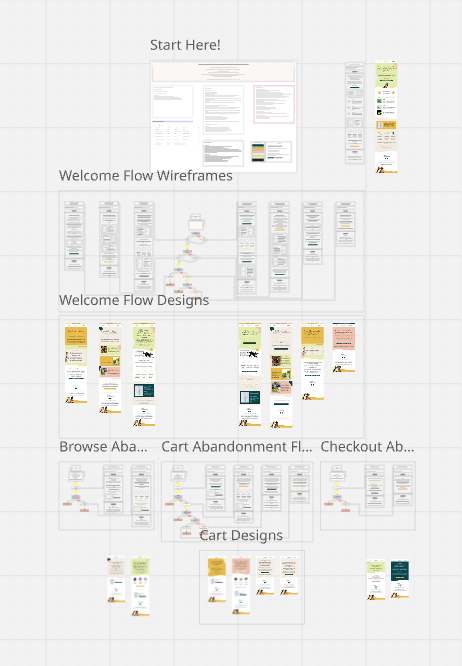
After the Email Audit + Strategic Roadmap service, we transitioned into the full Core E-Commerce Email Package, sequenced over seven weeks:
Weeks 2-4: Welcome Flow Build + Launch
A complete 7-email sequence split across purchaser and non-purchaser paths, fully rebuilt with mobile-responsive templates and live text in every hero section.
Weeks 4-6: Conversion Suite + Launch
Three abandonment flows - browse, cart, and checkout - each tuned to a different level of buyer intent. Cart abandonment includes a smart split: first-time buyers get a discount incentive on the final email, returning buyers get a confident, discount-free close.
Week 7: Training + Campaign Launch
A full Klaviyo walkthrough covering every flow, plus strategy for the first campaign send.
30 Days Post-Launch
Ongoing support to troubleshoot, answer questions, and review early performance.
The Results
What's already true: the bounce rate dropped from 20% to 0.76%, four fully automated emails are live and working, and for the first time, Sweet Natured Pet has a real, measurable email channel instead of a dormant list.
In Jennifer's Words
“Working with Jess has been a supremely positive experience. As a business owner I just don't have the time or the expertise to do everything and I recognized that I needed help with my email system. Jess provided a detailed analysis with specific recommendations that would make the biggest immediate impact. She provided clear timelines, detailed plans for my emails, how they were set up, what they would look like and so on and offered tips to keep my email systems a healthy and thriving part of my business. We've already seen sales attributed to emails since implementation and I feel much more confident about handling my emails going forward. I would highly recommend Jess to anyone looking to implement or improve their email marketing strategy.”
The Takeaway
Sweet Natured Pet didn't need a redesign - they needed someone to look at what was already working - the voice, the design, the existing automation - and build the strategy and structure to actually activate it.
That's the difference between a program that's broken and one that's dormant.
Most brands are the second kind.
The fix isn't starting over, it's knowing exactly what to build, in what order, and why.
Want to see the full results breakdown? Read the case study →
Curious what your own email program could be doing? Start with my audit + roadmap service →
